01 · 5 min/day
Cycle + Symptom Log
Note period dates, flow, spotting, cramps, and 2–3 daily symptoms. Patterns reveal whether symptoms track with ovulation, luteal phase, or are continuous.
Use a simple calendar app
If your cycle, mood, sleep, body, or brain feel different lately, you're not imagining it. This is a practical guide to decoding perimenopause: a symptom quiz, at-home tracking, labs to request, and the treatment options worth exploring. Built by Dr. Tammy Tucker.
Instant PDF · No spam · Unsubscribe anytime


"Most women are told their symptoms are normal aging or stress. They aren't. Hormones are data — and they can be supported."
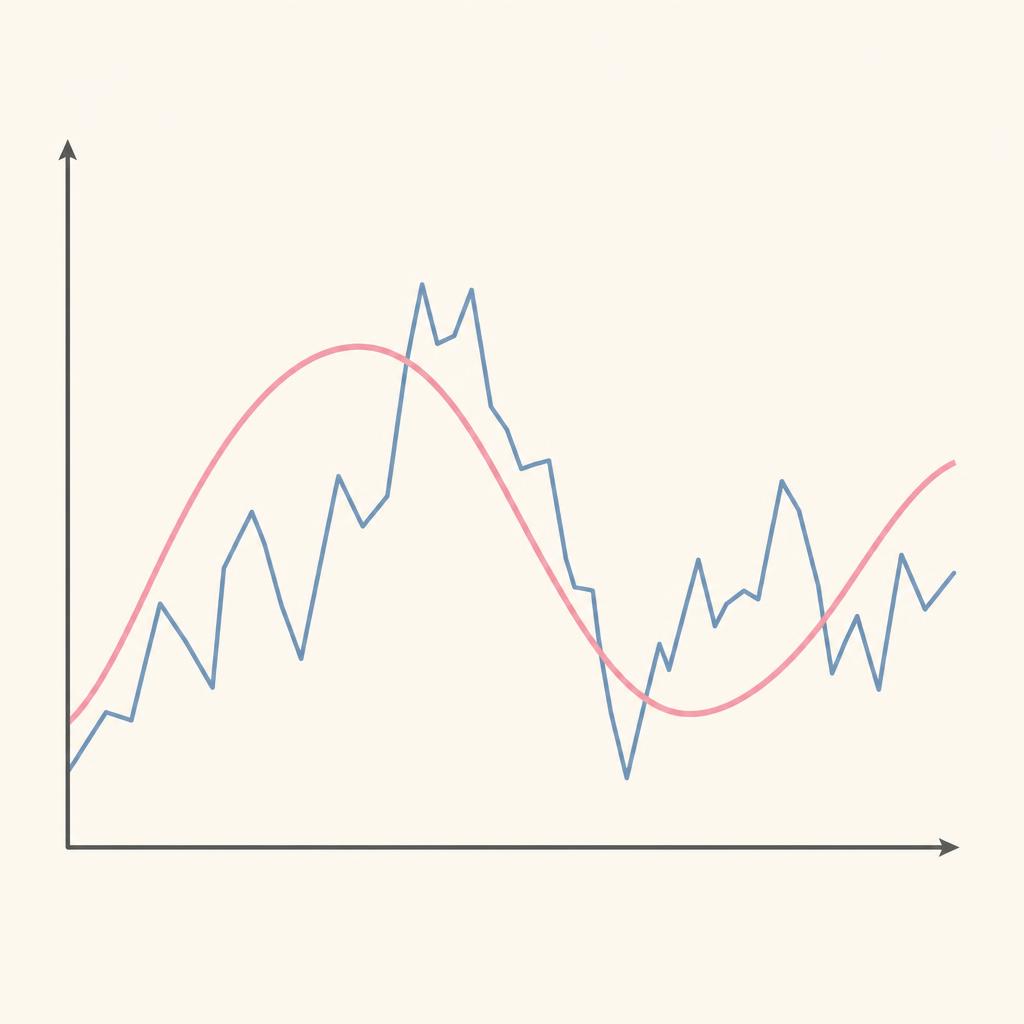
Perimenopause is the transition leading up to menopause. It usually begins in your 40s (sometimes late 30s) and lasts 4–10 years. Ovulation becomes less predictable, progesterone drops, and estrogen swings high and low. Those hormone shifts affect your brain, sleep, metabolism, mood, hair, skin, bones, and heart.
Many women see multiple doctors before someone connects their symptoms to hormones. Perimenopause is often dismissed as anxiety, depression, aging, or stress — but with the right labs and symptom history, the pattern is usually clear.
As ovulation becomes erratic, progesterone drops first while estrogen fluctuates wildly. This creates irregular cycles, mood swings, insomnia, and breakthrough symptoms that feel like a new you.
Chronic stress amplifies every perimenopause symptom. High cortisol steals progesterone, disrupts sleep, drives weight gain, and can mimic or worsen thyroid dysfunction.
Thyroid disorders peak in women ages 40–55. Hypothyroid symptoms — fatigue, weight gain, hair loss, brain fog — overlap heavily with perimenopause and are often missed when only TSH is checked.
Changing hormones affect insulin sensitivity and how the body absorbs magnesium, B vitamins, vitamin D, and iron. Low levels fuel cravings, fatigue, mood symptoms, and poor sleep.
The first two are red-flag questions — heavy or abnormal bleeding needs a clinician now. Answer honestly. Not a diagnosis.
Tracking turns a vague "I feel off" into data you and your clinician can use. None of these replace lab work — but they make the conversation more precise.
Note period dates, flow, spotting, cramps, and 2–3 daily symptoms. Patterns reveal whether symptoms track with ovulation, luteal phase, or are continuous.
A consistent early-morning temperature helps identify whether you're still ovulating. Ovulation usually shows a small rise that persists for 10–14 days.
Rate sleep onset, awakenings, night sweats, and restedness 1–10. Poor sleep is both a symptom and a driver of worse hormone symptoms.
Track anxiety, irritability, low mood, and mental clarity. This data helps distinguish hormonal causes from thyroid, depression, or burnout.
Notice energy crashes, cravings, and whether symptoms worsen after high-carb meals. Insulin spikes can worsen hot flashes, fatigue, and weight gain.
Note how you feel during and after workouts. Perimenopause often rewards strength and walking over constant high-intensity cardio.
These are foundational supports, not replacements for hormone therapy or medical care. Get labs first for iron, vitamin D, and B12 before megadosing, and clear new supplements with your clinician if you take medications.

Professional-quality brands at member pricing through our Fullscript portal.
Open supplement portalCalms the nervous system, supports sleep, and helps muscle cramps and anxiety. Glycinate is the gentlest form.
Helps mood, PMS, and neurotransmitter support. Take earlier in the day if it feels energizing.
Test 25-OH-D first. Low D is linked to mood, bone health, and immune function in midlife.
Supports mood, inflammation, and cardiovascular health. Look for triglyceride or re-esterified forms.
Buffers cortisol and may improve sleep and stress resilience. Avoid in pregnancy or autoimmune flares.
Bone density starts declining in perimenopause. Split doses and pair with K2 for directed absorption.
Only if ferritin is low. Heavy periods can deplete iron. Re-test in 8–12 weeks.
Gut health influences estrogen metabolism (the estrobolome) and inflammation.
Aim for 25–35 g of protein at breakfast, lunch, and dinner. This stabilizes blood sugar, supports muscle, and reduces cravings.
Resistance training preserves muscle and bone, improves insulin sensitivity, and helps mood and sleep more than cardio alone.
Undereating spikes cortisol and worsens mood, sleep, and weight regain. Your metabolism needs consistent fuel, not punishment.
Alcohol disrupts sleep architecture, raises cortisol, and commonly triggers or worsens hot flashes and night sweats.
Ordered roughly by where most people start. Don't jump to advanced options before you've done the basics: labs, sleep, nutrition, and stress management.
Ask for more than TSH: full iron panel with ferritin, complete thyroid panel, vitamin D, B12, CMP, CBC, lipid panel, and day-3 or random FSH/LH/estradiol. Track symptoms alongside results.
Aim for 7–9 hours with consistent sleep and wake times. Cool the room, block blue light, and avoid alcohol — it worsens night sweats and sleep quality.
Prioritize protein at every meal, fiber, and strength training. Stable blood sugar reduces hot flashes, cravings, and midlife weight gain.
Estrogen and/or progesterone therapy, when appropriate, is the most effective treatment for hot flashes, sleep, bone health, and genitourinary symptoms.
Oral or topical progesterone supports sleep, anxiety, and endometrial protection, especially if you still have a uterus.
Subclinical hypothyroidism is common and often missed. Work with a clinician who evaluates free T3, free T4, and antibodies, not just TSH.
Low-dose testosterone can help libido, energy, and muscle mass in selected women. Requires monitoring of levels and side effects.
Some clinics use targeted peptides, NAD+, or other protocols for energy, recovery, and metabolic support. Evidence is evolving.
Low-dose local estrogen treats vaginal dryness, urinary urgency, and recurrent UTIs with minimal systemic absorption.
CBT and mindfulness-based therapies have strong evidence for reducing hot flashes, insomnia, and anxiety during menopause.
Resistance exercise 2–4×/week preserves muscle, bone, insulin sensitivity, and mood. It is one of the most effective perimenopause interventions.
Hair thinning, skin changes, and pelvic floor symptoms deserve specialist input when they significantly affect quality of life.
If you'd like support with hormone testing, HRT guidance, or a personalized perimenopause plan, book a free call with our team.
Instant PDF · No spam · Unsubscribe anytime